The Doorway View: Why a Room Changes from the Threshold
A doorway view can make a familiar room seem newly arranged; notice how light, memory and attention shape its character before settling on an impression.
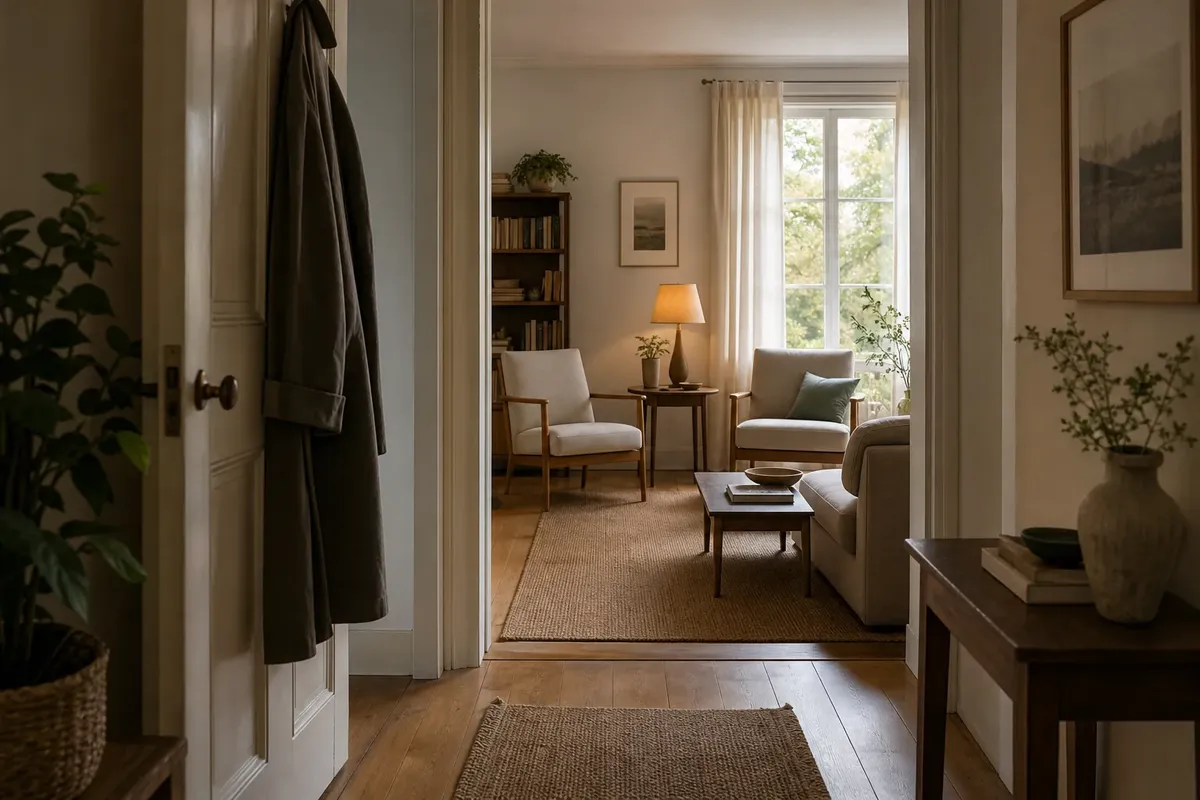
The common mistake in a doorway view is to treat the first thing that catches your eye as the room’s main feature. A bright lamp may claim the scene while a narrow passage or an empty chair goes unnoticed; the cost is a limited sense of how the space is arranged and used.
Try changing your position rather than immediately deciding what the room means. From the threshold, you see a particular arrangement of edges, openings and sightlines. A small shift to one side can bring an object out from behind a door or reveal how the furniture directs movement.
Threshold And Sightline
A doorway frames a view, but the frame is not neutral. Its width, the door’s position and whatever stands near the entrance all shape what can be seen at once. A coat on the back of the door, for instance, may conceal a section of wall; a tall bookcase may make the far side of the room seem smaller.
Look at the lines that lead your eye: the edge of a rug, a table aligned with the window, or a strip of floor between two chairs. Then take a step sideways and see which lines continue and which disappear. This is a way to read the room’s visual structure, not a test of whether your first impression was correct.
Notice what the doorway hides as well as what it presents.
Light And Contrast
Light changes the visual weight of objects. A sunlit patch on the floor can become the centre of attention, while a dark doorway or unlit alcove recedes. Reflections from glass or polished wood may draw the eye even when they reveal little about the room’s layout.
Check where the strongest light falls and where shadows collect. If a familiar corner looks unfamiliar, compare what is visible there with what is obscured; the shift may come from contrast rather than any change in the room itself.
Say you enter a friend’s sitting room on a dull afternoon. The curtains are drawn, and a shaded lamp stands behind the sofa, leaving the chairs in shadow. You open the curtains and switch on a lamp beside the chairs; the expected observable result is that their shapes and the space between them become easier to see, though the room’s arrangement has not changed.
Memory And Position
Familiarity can make a room seem more stable than it is. You may expect the chair to be by the window or the basket to sit beside the door, and that expectation can guide your gaze before you have taken in the current arrangement.
One way to notice this is to compare views from different positions. From the threshold, a chair may line up with a cabinet; from the window, the gap between them becomes visible. Your memory preserves earlier arrangements, while your present position determines which relationships you can see now.
When a scene feels oddly arranged, move to another viewpoint before relying on your recollection.
Why Does The Room Look Different?
Why does a familiar room seem different from the doorway?
The entrance may hide objects or place them in new alignment, while differences in light make some surfaces stand out and others recede. A change in viewpoint can therefore alter the room’s apparent balance without moving its contents.
Does moving around change the room itself?
It changes the view, not the objects or their actual positions. Walking to the side may reveal a gap, an obstruction or a route through the furniture that the doorway concealed.
How can I notice what the doorway leaves out?
Identify an edge that is partly hidden, then move far enough to see around it. Compare the new view with the first one, noting which objects or passages have become visible.
Checks For A First View
These checks help you describe the view more precisely. Each observation points to a next action rather than a fixed verdict.
- Check whether the door or a hanging coat blocks part of the room; if it does, open the door or move a step sideways to reveal the hidden area, or keep the door in place if you are only assessing the view from that position.
- Check whether a bright patch is drawing attention away from the rest of the space; if it is, look towards the darker areas and compare their outlines, or describe the bright patch as the feature that dominates this particular view.
- Check whether a reflection in glass or polished furniture is being mistaken for an opening; if its edges shift as you move, treat it as a reflection, or change your viewing angle if the surface remains hard to read.
- Check whether a rug, table or row of chairs leads your eye towards one side; if it does, follow that line from another position to see what it connects, or note that the doorway view emphasises that direction.
- Check whether you are relying on an earlier arrangement of the furniture; if a remembered object is not visible, move to a second viewpoint before describing its present position, or keep the memory separate from the current view.
- Check whether a shadow conceals the edge of an object; if it does, use available light or change position to see the outline, or leave the impression unresolved if the area cannot be viewed safely or appropriately.
A Shift In View
Imagine you enter a neighbour’s front room and see a tall plant beside the doorway, a narrow strip of rug and a bright window at the far end. Your invented starting impression is that the room is divided into a crowded entrance and an open back half. You step to the left, where the plant no longer covers the near corner, and see that a small table sits beside the entrance.
Next, you walk to the opposite side of the doorway. The rug now appears to lead towards the window, while the table partly blocks that route. The resulting account is more specific: the entrance contains both a plant and a table, and the rug creates a line towards the window that the table interrupts. You still cannot infer why the furniture was arranged that way, but you can describe how each position changes the view.
A doorway view is most useful when treated as one position among several. If you need to understand how a room is laid out, compare the sightlines from the entrance, a side wall and the far end; the differences show what each view reveals and conceals.
Another angle
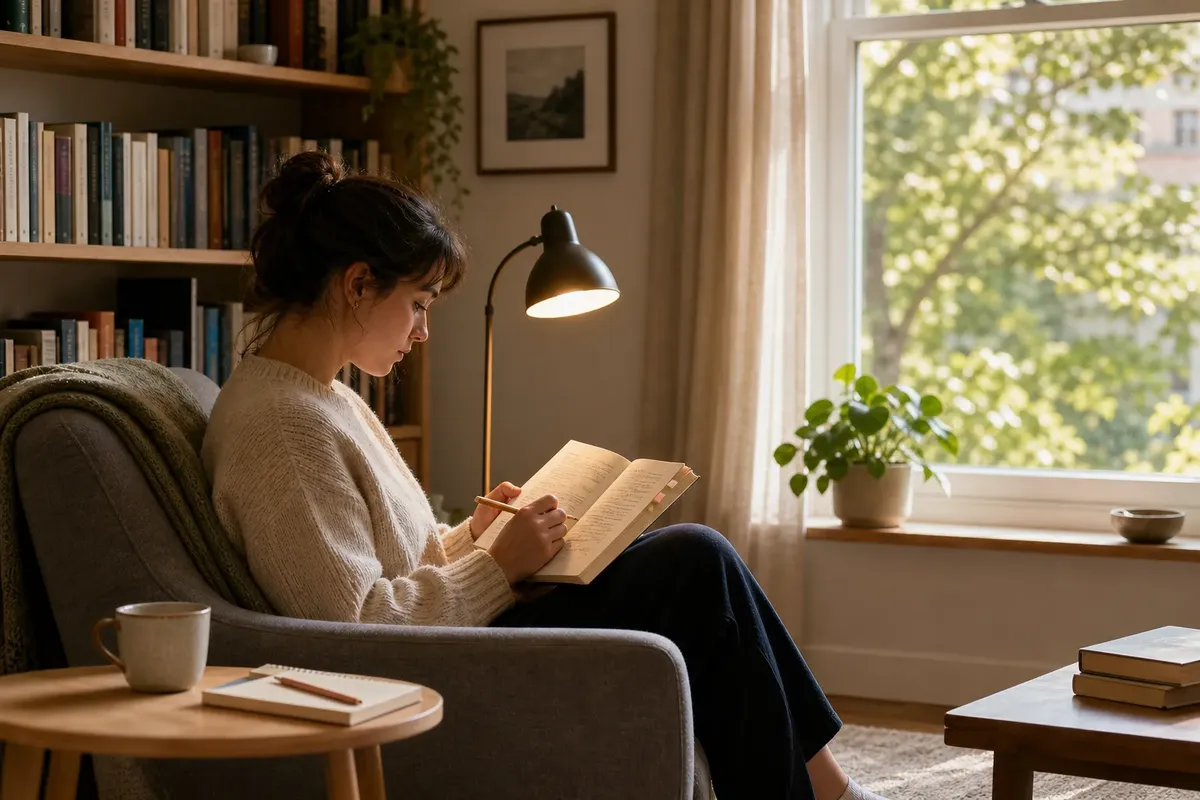
A Quiet Corner or a Window Seat? Choosing a Place to Read
Choose a quiet corner or window seat for reading by matching the book and your purpose…
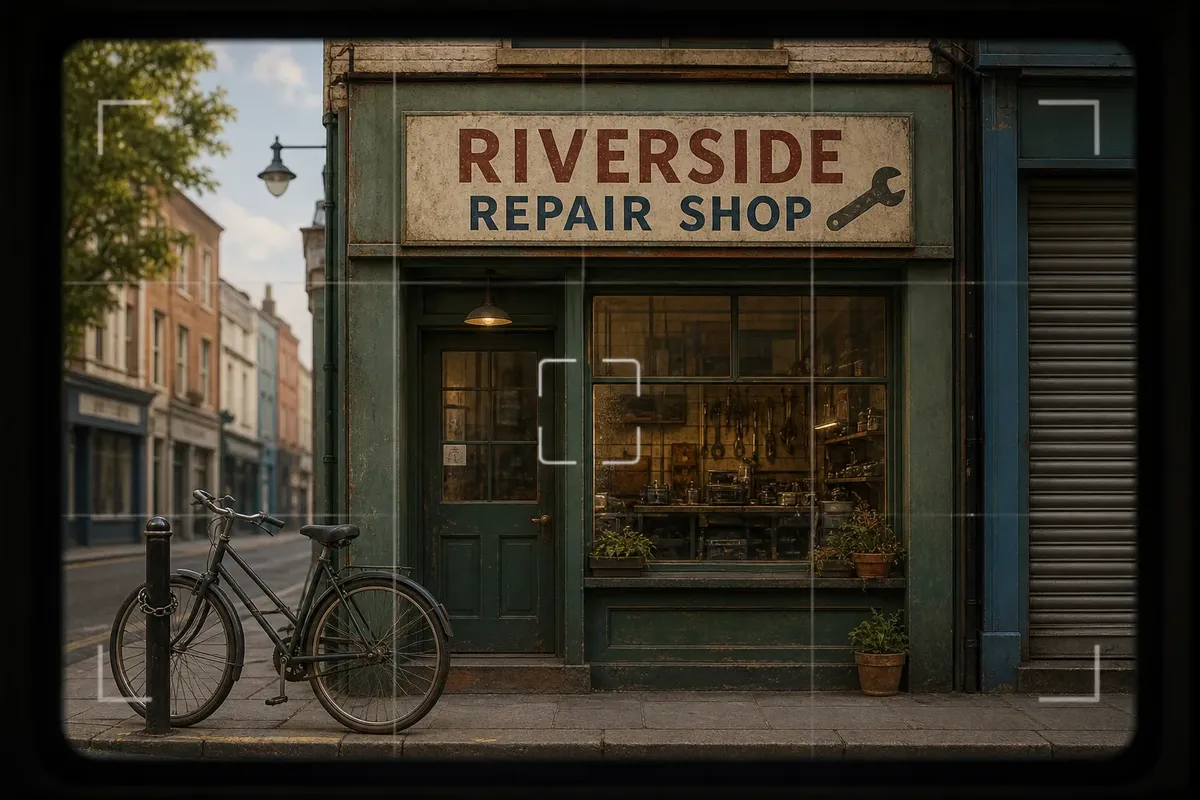
Before the Camera: The Viewfinder and the Habit of Framing
Use a camera viewfinder to decide what belongs in the frame, keeping the subject clear while…